
EPS is typically used in conjunction with a company’s share price to determine whether it is relatively “cheap” (low P/E ratio) or “expensive” (high P/E ratio). Investors may choose to use weighted averages if they have compiled a position in a particular stock over a period. Given continuously changing stock prices, the investor will calculate a weighted average of the share price paid for the shares.
- Alternatively, the total number of shares outstanding can be easily calculated as a company’s market capitalization divided by the current share price.
- Outstanding shares are the number of shares used to determine a company’s market cap and its earnings per share (EPS).
- We have seen corporate actions above and their treatment of the weighted average outstanding shares.
- They use these shares to smooth out fluctuations due to stock buybacks.
What is a Cap for SAFEs and Convertible Notes?

Weighted averages are also used in other aspects of finance including calculating portfolio returns, inventory accounting, and valuation. Now that you have learned about one of the parameters of choosing safe stocks, open demat account with Angel One and start making your future safe. Investors investing in Alphabet shares should carefully assess the features of each class of share and consider their personal investment goals and risk tolerance before making an investment decision. Founded in 1993, The Motley Fool is a financial services company dedicated to making the world smarter, happier, and richer. The Motley Fool reaches millions of people every month outstanding shares formula through our premium investing solutions, free guidance and market analysis on Fool.com, top-rated podcasts, and non-profit The Motley Fool Foundation. CFI is the global institution behind the financial modeling and valuation analyst FMVA® Designation.
- Often, the number of issued shares is equal to the number of issued and outstanding shares.
- Take a look at the balance sheet of the company in question, and go to the shareholders’ equity section which is close to the bottom of the report.
- Because companies vary in size, market cap values are divided into categories to help simplify company valuation.
- In addition, most public companies don’t need to issue more shares, at least in the number required to bump up against the authorized maximum.
Floating Shares vs. Outstanding Shares
Issued shares are the total number of shares the company sold or granted. They also include outstanding shares and shares held retained earnings in the company’s treasury. Also, look at the line item for treasury stock which is making reference to the shares that have been bought back from investors by the issuing company.
How To Find The Number Of Shares Outstanding
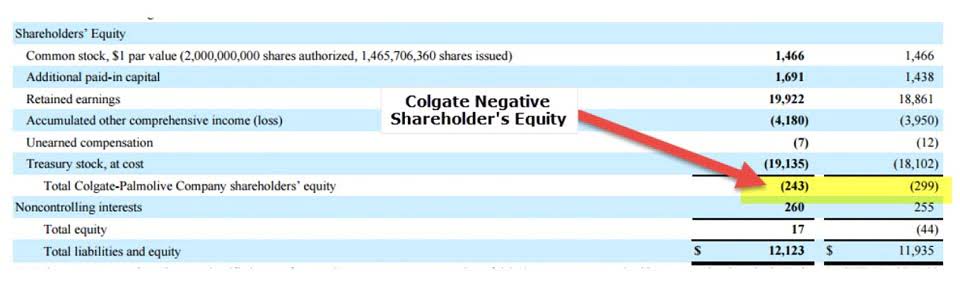
Outstanding shares refer to the total https://www.bookstime.com/articles/matching-principle number of shares issued and currently held by shareholders. You can calculate the outstanding shares using two numbers – the total number of shares issued by the company and treasury shares held by the company’s investors. After you have the total shares issued and treasury shares, you can use the formula to compute the number of outstanding shares.

How Do You Find the Number of Shares Outstanding?
The chart below shows how each is calculated using outstanding shares. Outstanding shares refer to the total number of shares a company has issued and its shareholders hold. This includes shares held by institutional investors, such as mutual funds or pension funds and restricted shares owned by the company’s officers and insiders. Essentially, these shares represent the ownership stake in the company that is publicly available and held by investors.